In a world where it's so easy to put one's most personal thoughts, feelings, moments, and information on the internet, there has to be some suggestions on how one might keep themselves safe. This digital world has a tendency to become a cesspool of verbal and mental vomit, and when some of that stuff gets out it can be very damaging to the people involved. There are sites, all over the web, that are dedicated to the safety of those, such as myself, who post to blogs, social networking site, wikis, etc. One such site on Microsoft: http://www.microsoft.com/security/family-safety/blogging.aspx gave suggestions to parents on how they can protect their children on the web, but it also had some advice for bloggers.
1. NEVER offer any personal information.
According to the site personal information would include a last name, mailing address, social, phone numbers, full names of friends, usernames, ages, and birthdays. I would go far enough to say whatever one doesn't want strangers to know, should be left off the web. Scary people keep getting smarter, it's sad, but it's getting easier for them to find things they can use to make life difficult. If it should not be known by strangers, leave it off a blog or make the blog private.
2. Privatize Blog
http://digitalethics.org/resources/best-practices-for-bloggers-dimensions-for-consideration/, another safety site, says that depending on the content one may even wish to make their entire blog invisible to the populace. This seems to be a good way to keep private information private, but the best way is to just not post it.
3. Keep Things Positive (http://www.microsoft.com/security/family-safety/blogging.aspx)
Essentially, one may complain or be angry about something, but one might want to avoid slander or the personal attack of fellow persons. One never knows who may someday look at their blog. It could be a future employer, a teacher, a friend, a spouse, or (heaven forbid) the subject of the slander and attack. Anyway it's looked at, none of those scenarios sound all that appealing when their seriously considered.
I never know who reads this blog, or who will someday read it, but I do know that it's safer to only post what I want other people to know. Anything else could be detrimental to my well-being.
Thursday, September 5, 2013

The Pedagogy of Blogs...Blogging and Education
Here we go again. Blogging for class. Speaking as a former Library Media administration student, I know a bit about using blogs and other forms of technology in classrooms. Speaking a 21st century college student, I use technology for class all the time. There are a lot of wonderful applications for blogs within a classroom. I had a teacher in High School who created a blog for the class to get on and collaborate on assignments, discuss readings, and just talk about stuff that interested us, but other teachers use blogs in other ways. Mrs. Yollins created a class blog so that she could share things with her students and they could talk and share their projects with each other and their parents. She said:
She even posted this video on the benefits of blogging in school.
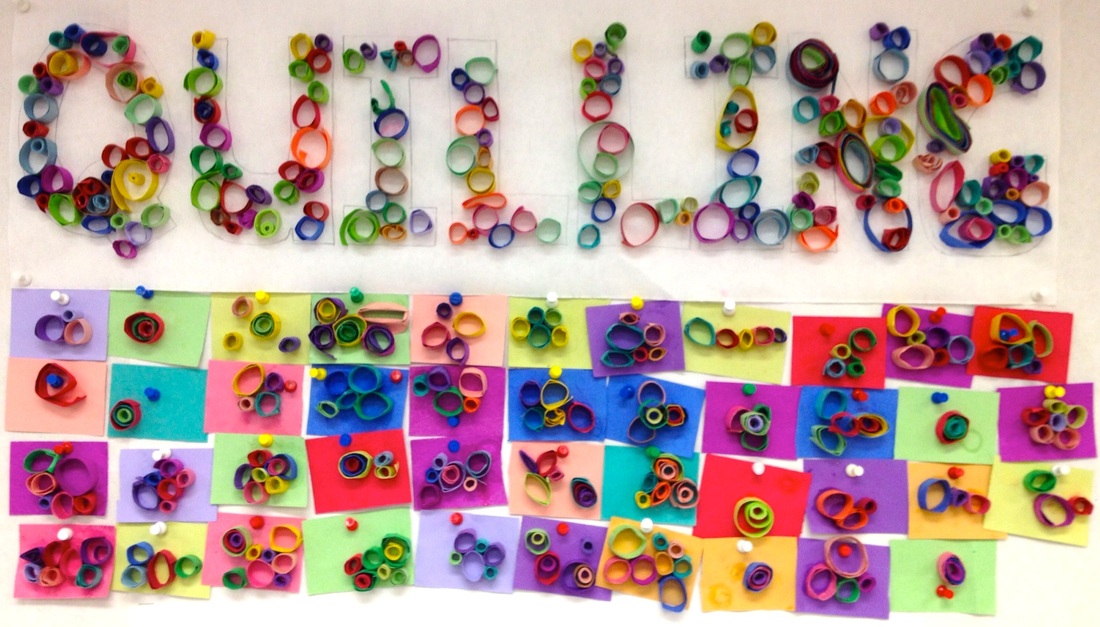
Another teachers, Mrs. Fuglestad, created a blog within her class website to share her students art projects, share tutorials with her students and other teachers, as well as sharing how she worked with other teachers and their students to create what she called "colaborative art."
I have been an elementary-school teacher for more than 26 years, and I am always on the lookout for meaningful ways to engage and motivate my young students. I started "Mrs. Yollis' Classroom Blog" in 2008 with the idea of sharing class activities with parents. Over time, the blog has grown to be the centerpiece of our third-grade classroom. It has become a true global learning community that offers myriad rewards for students, parents, and teachers. (http://yollisclassblog.blogspot.com/)
Her blog not only serves to help her class and the parents of her students, but she posts things for other teachers. She even went to the trouble of creating a wiki for educational blogging and linking it on her blog.
She even posted this video on the benefits of blogging in school.
Another teachers, Mrs. Fuglestad, created a blog within her class website to share her students art projects, share tutorials with her students and other teachers, as well as sharing how she worked with other teachers and their students to create what she called "colaborative art."
3rd graders practiced making coils of paper to try their hand at Quilling
(http://drydenart.weebly.com/fugleblog.html)
As a Library Media fan and hopefully a future librarian, no post about educational blogging can be complete without a Library Media Specialists blog. Julie Greller, a school librarian, created a blog set up as a guide to the internet. Part of a school librarians job to collaborate with teachers and find resources for them to teach the students. Her blog seems to have been created as a means of sharing with her school's teachers as well at her fellow librarians. She said, "Stay up-to-date on school technology through journals, blogs, workshops, conferences, etc., and then share what you learn with your colleagues and administration" (http://mediaspecialistsguide.blogspot.com/). Her blog is full of free resources for teachers, students and other librarians to use in classrooms. As well as ideas on how to create motivational posters, motivating children to read, etc. It's all nicely organized by grade and subject so each group can easily find what they're looking for.
I enjoyed this opportunity to look at some educational blogs. They gave me some ideas on how my blog can be used some time in the future. I look forward to continuing the adventure. Although I never hope to become a school teacher, or even work in a school at this point, I do think that I can still use my blog as a means of sharing educational information. I also think that there are many benefits of a blog in a classroom such as: student collaboration; teacher feedback and clarification; and a world wide network of educators, students, and parents sharing their ideas with each other on how to better help the students.
Subscribe to:
Posts (Atom)